
Ubuntu tech blog
- Press center
- Canonical blog
- Ubuntu Discourse
- Events

Good news in the US federal compliance space. The latest FedRAMP policy relaxes past restrictions that prevented organizations from applying critical security...

Canonical Ceph with IntelⓇ Quick Assist Technology (QAT) In our last blog post we talked about how you can use Intel® QAT with Canonical Ceph, today we’ll...

Canonical Ceph with IntelⓇ Quick Assist Technology (QAT) When storing large amounts of data, the cost ($) to store each gigabyte (GB) is the typical measure...

Over the past 5 years, Canonical has been contributing to Flutter, including building out Linux support for Flutter applications, publishing libraries to help...
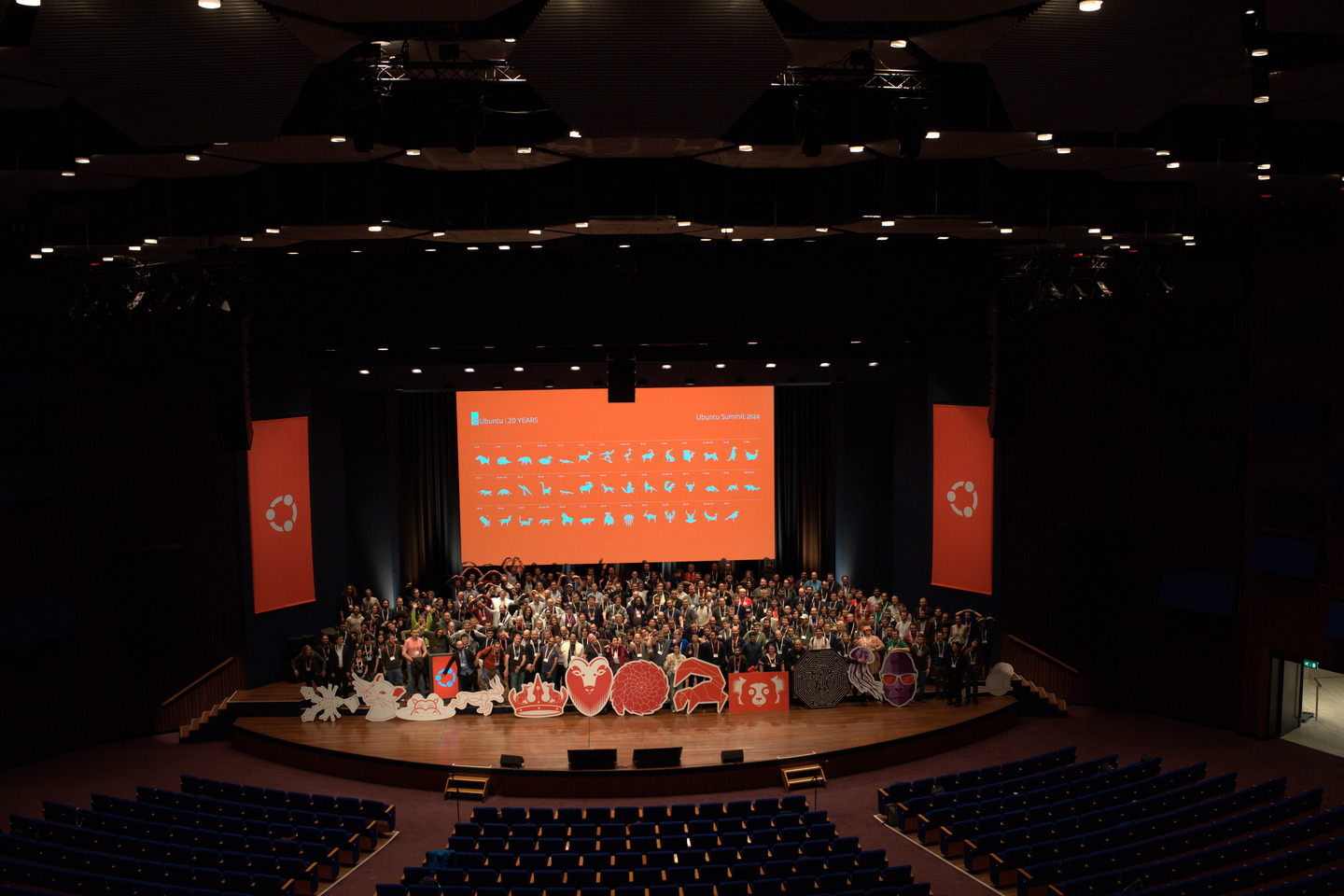
As we move into 2025, we wanted to reflect on the crowning event of the year: the Ubuntu Summit. Just over two months ago, we celebrated Ubuntu’s 20th...

In this third and final part of the series, I’ll provide some tips on how to set up your roadmap and effectively demonstrate compliance without overburdening...

With the release of Ubuntu 24.04 LTS (Noble Numbat) and Ubuntu Core 24, Canonical introduced a 12-year Long Term Support commitment for 32-bit Arm®...

In my previous blog, we ran through what NIS2 is and who it applies to. In this second part of the series, I’ll break down the main requirements you’ll find...

Newsletter signup

The EU NIS2 directive, which calls for strengthening cybersecurity across the European Union, is now active in all member states. Join me for this 3-part blog...

Canonical’s security team has released updates of the rsync packages for all supported Ubuntu releases. The updates remediate CVE-2024-12084, CVE-2024-12085,...

Introducing trusted open source database containers It’s time to stop proclaiming that “cloud native is the future”. Kubernetes has just celebrated its 10...

GenAI is transforming how we approach technology. This blog explores how you can use Canonical’s Data Science Stack (DSS) to set up your environment and dive...

Learn how Canonical is using Python Flask and the 12-factor charm framework to simplify the development of Canonical.com and Ubuntu.com

At Canonical, the work of our teams is strongly embedded in the open source principles and philosophy. We believe open source software will become the most...

Technology procurement directly influences business success. The equipment you procure will determine how your teams deliver projects and contribute to your...
How to create a robust enterprise AI infrastructure for RAG systems using open source tooling?A highlight on how open source can help
The source
Explore the vision behind the code
Curious about where the industry is heading? Visit our sister blog, The Source, where we share Canonical's perspective on the future of open source, insights into our product philosophies, and expert takes on the tech landscape.